
How it works
The SDK sits in your build. The demo runs on our servers and streams into your game.
It's a surface you place inside the game that runs the connection; we manage everything else. When a player chooses a demo, we start it on our infrastructure and stream the play into the host. Nothing downloads, and the host keeps running.
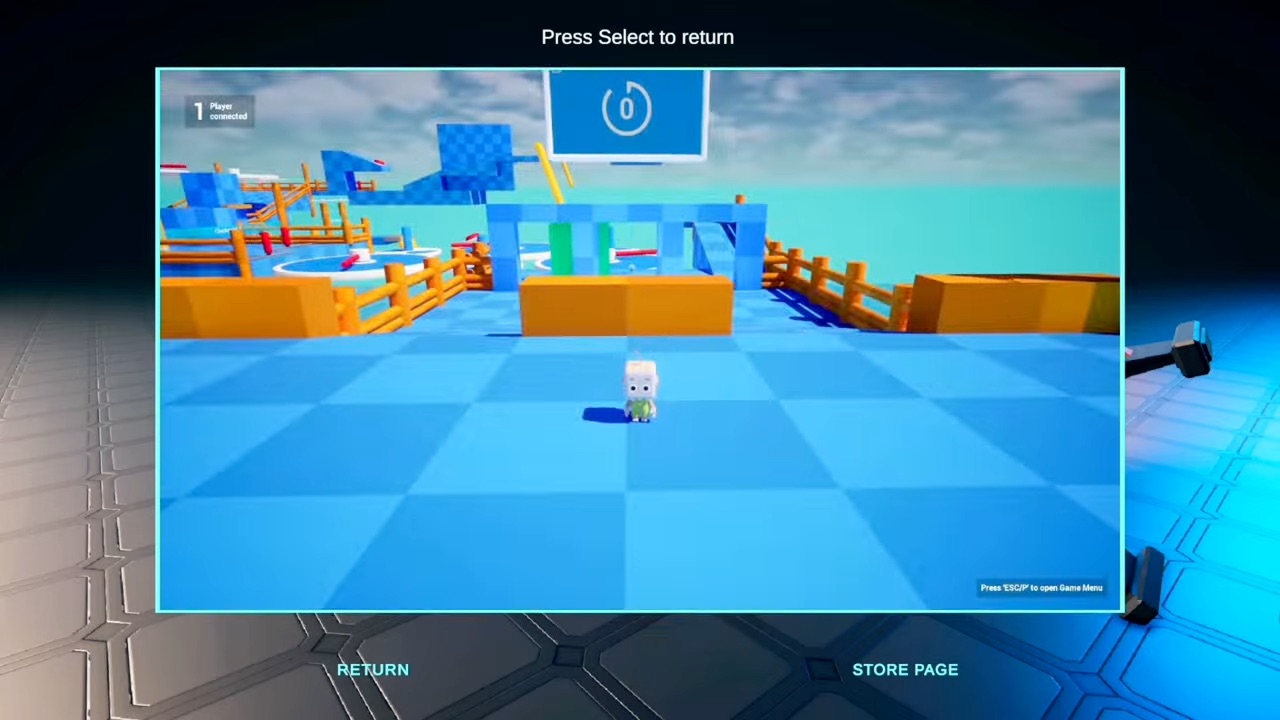 SDK surface
Host frame is real: a streamed demo playing inside Space Combat. Servers and dashboard are drawn. Not to scale.
An SDK in the release build, a placement, and a demo build that runs on our servers.
For producers and technical leads. Scoped per title.
- In the host build
- The iliad SDK, in a Unity or Unreal release build for a PC title. It's a lightweight plugin: all it does is pull up the surface and stream the content in. Unity and Unreal are straightforward; a custom engine needs a separate conversation.
- A placement
- Where the tile sits. A menu tile in the showcase; in-world placements are agreed per title.
- The promoted build
- A playable slice of the game you're introducing, uploaded once through the dashboard. It stays on our servers and can run in any of your campaigns. We check it runs well before it goes live; a self-contained slice with no sign-in tends to work best.
- Party, lobby and voice
- If your menu is where parties form, how a streamed session interacts with party and voice state is worked through and tested for your title before launch.
- Your release calendar
- The SDK ships with a release build. What's offered can change afterwards without a host patch; changing placement, inputs or SDK version may need one.
Where the tile can sit
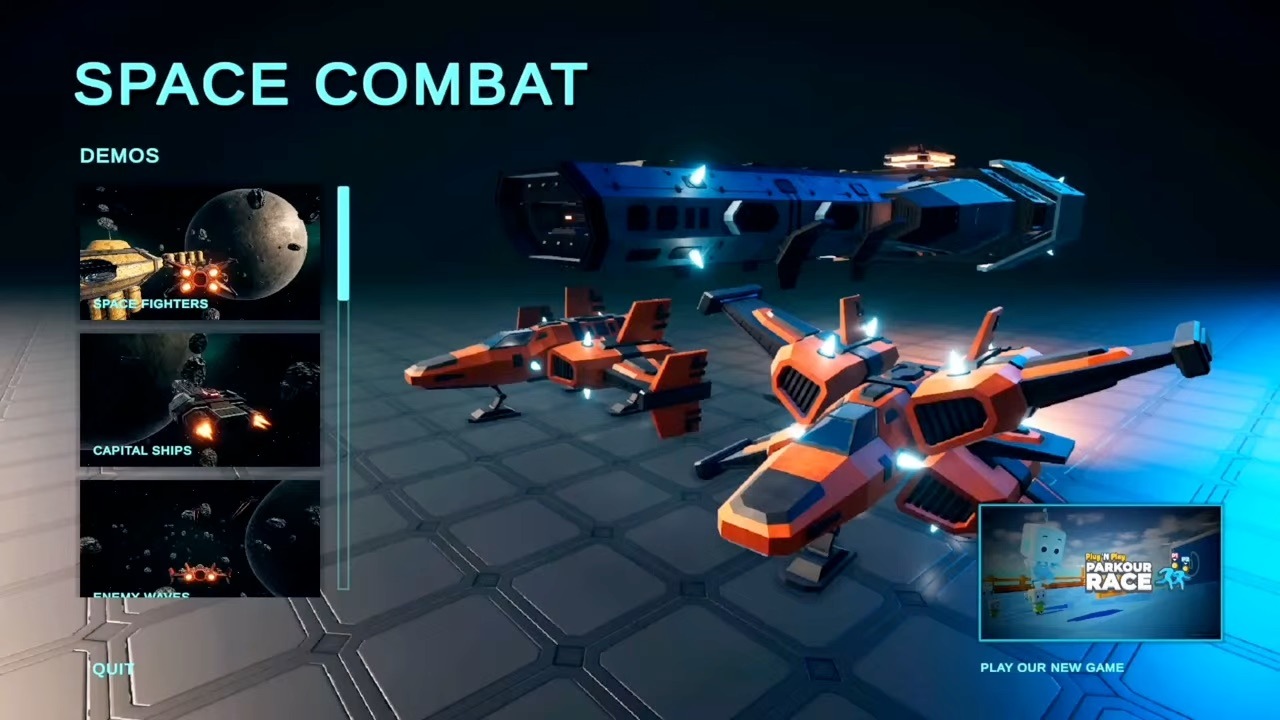 123
- 1Bottom right00:00.0
- 2Top of the demos list00:01.8
- 3Top right00:03.0
- 4
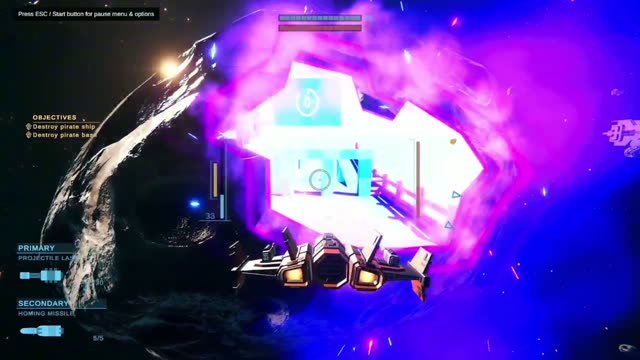 In-worldseparate frame
Solid: the tile in this frame. Dashed: where it sat at 00:01.8 and 00:03.0.
Real frames; marks are drawn. Each host offers its own positions.
A menu tile needs the least creative problem-solving and is the quickest way to learn how the tech fits your title and how players respond. In-world placements are agreed per title once the menu tile has shown you how players behave.
One of our engineers installs the SDK into a Unity project, recorded start to finish
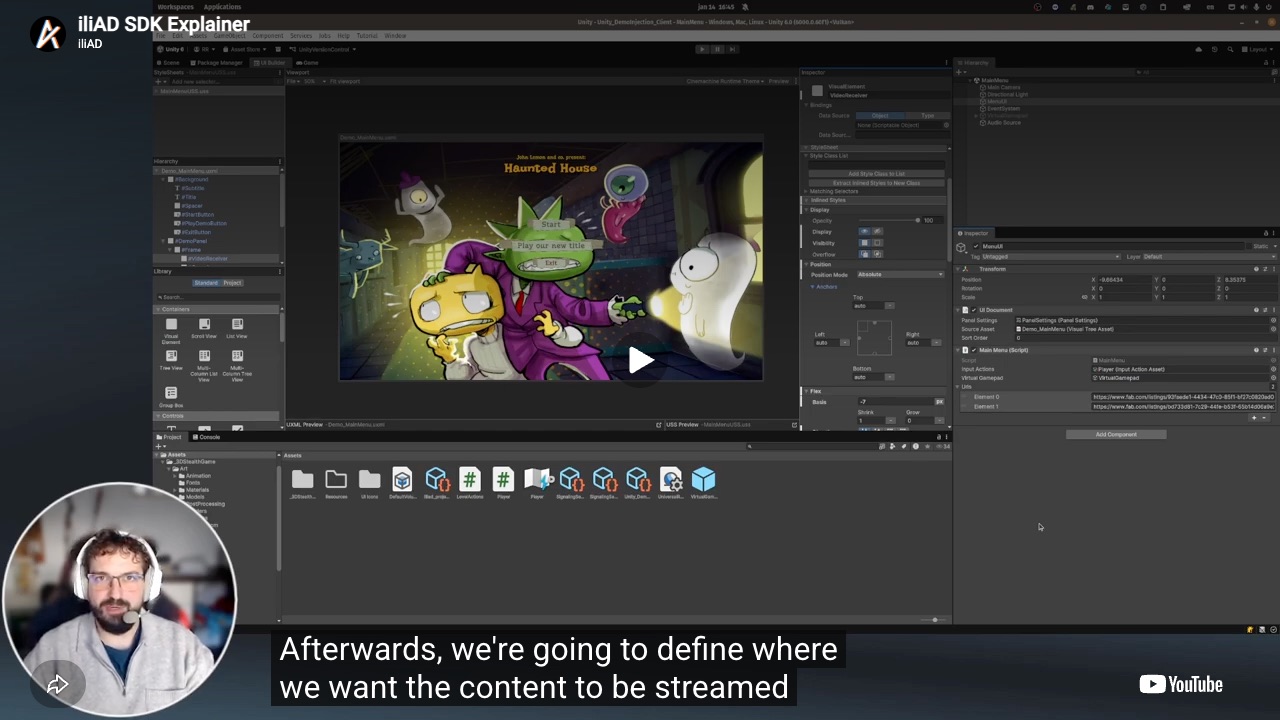
One installation into one project. Your title will differ, and we scope it with your engineers first.
What the player sees when something changes.
The questions we work through with your engineers, and the limits as they stand today.
Updated October 2026
The engineer conversation
- Engine and runtime
- Your engine version, what the SDK does at runtime, and what it costs the host while a stream runs.
- Overlay, anti-cheat, fullscreen
- How the surface behaves with each, and whether the SDK can ship dormant and be switched on later.
- Input
- How controller and keyboard input reach the stream.
- Telemetry
- What the SDK sends, and to whom.
Limits today
- Console
- Coming. Host games are on PC today. The demos are PC builds streamed from our cloud, which is how StageTime shows them inside VR.
- Store attribution
- Varies by store and setup. We agree the source and method before launch.
- Deeper analytics
- Level-by-level events inside the demo need extra instrumentation.